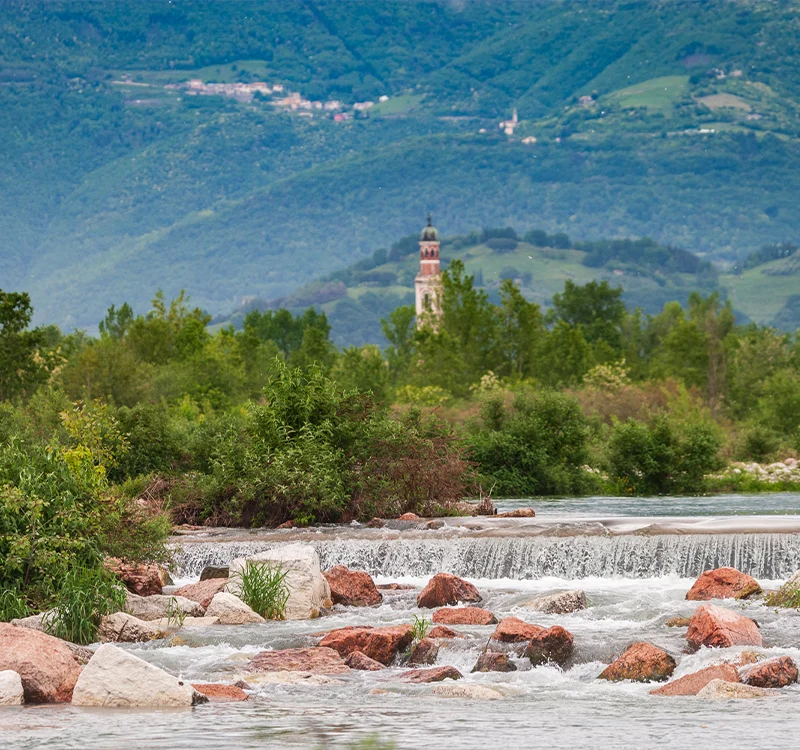
The history of Nove, a town located on the right of the Brenta in the plain of Bassano, originates from the lands reclaimed from the waters, the “Terrae Novae”, from which the toponym derives, and it was precisely the proximity of the river that determined the economic fortunes of the center and established its connotations of “land of ceramics”. The river’s deposits of alluvial materials, sand and gravel, quartz and calcium carbonate pebbles, used for ceramic mixtures, were used.
Hydraulic energy from the river was exploited to operate the mills and their complex machinery used for mixing and preparing soils and paints. Finally, thanks to the Brenta, it was possible to transport wood for kilns and finished products.
The tradition of ceramic production was born in the eighteenth century, when the demand for Chinese ceramics in Europe prompted Dutch potters to imitate their style and spread their creations. The Republic of the Serenissima has favored this activity by offering tax breaks for the local production of ceramics.
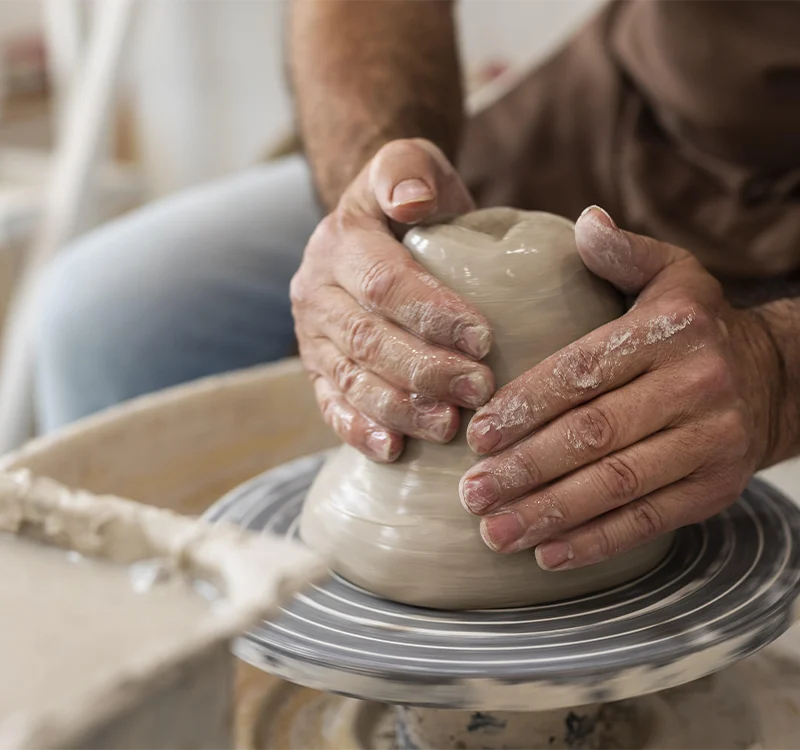
Nove’s geographical position has contributed to its growth as a ceramic center. The presence of the Roggia Isacchina and the Brenta river facilitated the birth of the first manufactures, while the Asiago Plateau and the surrounding hills provided the necessary materials, such as gypsum, clay and kaolin.
Over the centuries, Nove’s ceramic production has evolved to adapt to market changes and consumer needs, updating techniques and always introducing new technologies into the production process.
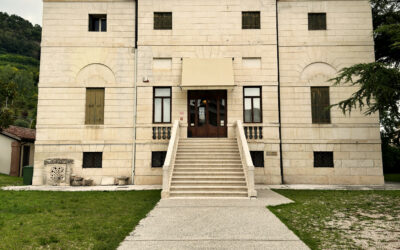
Today, the history of Nove ceramics is documented in the Civic Museum of Ceramics, which exhibits a vast collection of works from the eighteenth century to the present day. In addition, visitors can explore the city and discover the places related to this tradition by visiting the Museo Diffuso di Nove.